Our Blog

How do I clean my baby’s teeth?

February 17th, 2021

Creating good dental hygiene habits early in your child’s life is essential to the health of his or her teeth, even when your infant doesn’t have any. By starting now, you can set the foundation for your son or daughter’s oral health later on in life.

When do I start?

The best time to begin brushing your baby’s teeth is before that first tooth ever comes in. Wipe your little one’s gums gently with a soft washcloth soaked in warm water every day. Not only will this help to get rid of bacteria in the mouth, but it will also familiarize your child with a daily brushing routine.

What do I use?

When your child’s teeth begin to emerge, it’s time to switch to a baby toothbrush. Select one with a big grip for your hand and a small head that’s easy to maneuver in your baby’s mouth.

Your little one won’t need toothpaste until he or she is about a year old; and even then, only a small amount is necessary. Apply an amount the size of a grain of rice and move to a pea-sized amount when your infant is about two years old.

By around six years, your child will probably rinse and spit without your help. At this time, you may introduce a child-friendly fluoride mouthwash.

How do I do it?

Until about age five or six, it’s likely your child will still need your help with brushing teeth. Gently scrub over all the teeth and gums, even where teeth have yet to come in. It may be helpful to explain what you are doing and how you are doing it, so your toddler can learn to brush her or his teeth alone.

Paired with regular visits with Drs. Julie Bailey, Jacob Woods, Marci, Glenn and Brian Beck at our Tallahassee, FL office, proper hygiene habits instilled in your child early on will set up a good foundation for a healthy mouth in the future.

The Start of Valentine’s Day

February 10th, 2021

Valentine’s Day, also known as Saint Valentine’s Day, has been said to originate with a Catholic priest named Valentine several thousand year ago. Valentine defied the emperor at the time by secretly marrying men and their brides after the emperor had made it illegal to marry. Emperor Claudius II did this because he wanted as many single young men to fight in his war as he could get.

Valentine disobeyed the emperor’s edict by continuing to marry couples until he was sentenced to death. Before his execution, he sent a letter to a secret love and signed it “From your Valentine.” Drs. Julie Bailey, Jacob Woods, Marci, Glenn and Brian Beck and our team have come up with some suggestions on how you can celebrate this Valentine’s Day, whether you have a valentine of your own or not.

Valentine's Day Ideas

  • Enjoy a tasty treat. There are plenty of options when it comes to cooking and/or baking on Valentine’s Day. Make your significant other his or her favorite meal or sweet treat, or make your own favorite dish to enjoy on this day. Oh, and be sure to make enough for leftovers!
  • Make a personalized card. Instead of buying a card from the grocery store, take the time to make your own for a loved one. People love handwritten notes, especially when it’s from someone special. If you’re single this Valentine’s Day, make a card for fellow single friend to brighten the day and remind the person that he or she is also loved.
  • Watch a movie. We all know there are plenty of romance movies out there. Put on your favorite romantic comedy, or pick up your significant other’s favorite movie to watch together. Even better, if you’re single, pick up your own favorite movies to watch to pass the time this Valentine’s Day.
  • Do nothing! We all know Valentine’s Day can sometimes get a lot of hype. If you’re worried about not making a reservation in time, don’t feel like planning an extravagant night out, or simply not in the holiday mood this year, spend your day sitting back and relaxing.

Valentine’s Day is a time to celebrate love and spend quality hours with the people you care about the most. Whether you’re in a relationship or single, take some time today to appreciate those you love in your life.

We wish you a happy Valentine’s Day celebration and look forward to seeing you at our Tallahassee, FL office during your next appointment.

The Best Brush of the Day

February 3rd, 2021

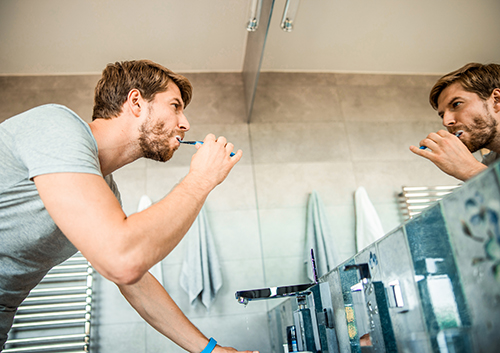
Imagine that you’re only going to brush your teeth once tomorrow. Don’t worry, we know you would never skimp on your dental hygiene like that, but let’s just pretend for a moment. When would be the best time to brush? When you wake up? During the day? Or perhaps before you go to bed?

Actually, whenever you choose to brush, you’ll receive important overall dental benefits as well as specific benefits tied to the time of day. Let’s explore your daily schedule to see why.

Brushing in the Morning

Brushing when you first jump out of bed produces several positive results.

  • Cleaning plaque from your teeth

Plaque is a sticky film made up of oral bacteria, food particles, and saliva. As you sleep, these oral bacteria multiply and produce acids which attack the minerals in your enamel, leaving weak spots which, over time, can become cavities. Brushing removes these bacteria and acids from your enamel before they cause serious harm.

Moreover, plaque hardens if it’s left undisturbed, turning into tartar in a relatively short time. And once plaque becomes tartar, it must be removed by a dental professional. Brushing first thing in the morning removes this plaque buildup and helps prevent tartar from forming.

  • Fresh breath

That bacterial growth we mentioned? It’s also responsible for morning breath. If nothing else, brushing when you wake up means greeting a fresh day with fresh breath, and that’s reason enough to pick up your brush in the morning.

Brushing During the Day

Brushing after meals and snacks also has a lot to recommend it.

  • “Leftovers” lead to cavities

Foods, especially foods rich in sugar and carbohydrates, are converted by oral bacteria into acids which weaken enamel and lead to cavities. When food particles remain in the mouth after a meal, bacteria have more time and more fuel to manufacture these acids.

  • Acidic foods also affect your teeth

If you have eaten something acidic, such as citrus fruits, sodas, or pickled anything, the acids from these foods can temporarily weaken the mineral strength of your enamel. But brushing immediately after eating or drinking acidic foods can damage weakened enamel. Better to rinse well with water and brush after half an hour or so.

Brushing at Night

Growing up, you probably received regular reminders to brush before bedtime—for several really good reasons:

  • Saliva production slows while you sleep

During the day, saliva helps to wash away food particles and neutralize acidity in our mouths. It also contains proteins and minerals which help keep tooth enamel strong. But as we sleep, saliva production slows dramatically, and our bodies can’t remove bacteria and acids as effectively.

  • Food particles fuel bacterial growth

If you haven’t brushed since morning, you’ve accumulated a whole day’s worth of food particles from meals and snacks. Remember, oral bacteria use the sugars and carbs we eat as fuel to produce the acids which attack our tooth enamel throughout the night.

  • Brushing helps prevent both of these problems

Brushing your teeth before bed not only cleans away the accumulated food particles of the day, but also eliminates the plaque and bacteria which would have a much easier time sticking to your teeth without that daytime saliva flow to wash them away.

So, When’s the Best Time to Brush?

In the morning, during the day, at night —there are solid advantages to brushing any time of day. The question isn’t so much when to brush as how often you should brush.

While many dental professionals consider brushing before bedtime as the most important brush of the day, brushing at least two full minutes, at least twice during a 24 hour period, is a necessity for basic dental hygiene. (And don’t forget to floss at least once each day.)

If you wear orthodontic appliances, if you’ve been eating sugary snacks, if you’re showing signs of gingivitis or getting more than your share of cavities, if you want to reduce the chance of plaque and tartar buildup, or if you simply want to make sure you’re doing everything you can to maintain your overall dental health, brushing after meals is also highly recommended.

Talk to Drs. Julie Bailey, Jacob Woods, Marci, Glenn and Brian Beck about your brushing habits the next time you visit our Tallahassee, FL office. No need to use your imagination to plan your best brushing schedule. We have all the answers you need to help you brush your way to your best—and healthiest—smile!


Treatment Options for TMD

January 27th, 2021

Temporomandibular dysfunction (TMD) refers to a diverse range of disorders that relate to muscular function in the jaw and face — the temporomandibular joint (TMJ). That could mean difficulty opening your mouth, pain in the jaw or face, or any sort of problem with the jaw joint.

TMD can be difficult to diagnose because of the varied causes. Whatever the case, an accurate diagnosis from Drs. Julie Bailey, Jacob Woods, Marci, Glenn and Brian Beck helps make treatment as successful as possible.

Most often, jaw problems will resolve themselves within several weeks or months. Surgeries like arthrocentesis, arthroscopy, and open-joint surgery should be a last resort. More conservative and reversible treatments should come first and are in fact the most critical step in the treatment of TMD.

Less invasive treatments like acupuncture and splints can be helpful, but that will depend on your particular case. It’s worth your while to speak with Drs. Julie Bailey, Jacob Woods, Marci, Glenn and Brian Beck at our Tallahassee, FL office to learn about solutions that could work for you.

A combination of treatments will most often produce the greatest relief for TMJ patients. It’s a good idea to avoid activities that overuse the jaws, such as chewing gum or clenching your jaws.

You can be proactive in finding relief for TMD by trying the following remedies at home:

  • Eat soft food: When you eat soft and/or blended food, your jaw gets an opportunity to rest. Avoid chewy and crunchy food, and food that requires you to open your mouth wide, like apples or corn on the cob.
  • Apply moist heat: A hot water bottle wrapped in a moist towel can help reduce symptoms.
  • Apply ice: Applying an ice pack wrapped in a cloth or towel for no longer than 15 minutes may also reduce pain and promote healing.
  • Do jaw exercises: A physical therapist can help identify the exercises that will work for you. Jaw exercises have been shown to be an effective treatment method that can be performed at home.
  • Relaxation: Actively try to relax the muscles of the face and lips, and let your teeth come apart. Many find meditation, yoga, and slow, deep breathing to be helpful for reducing stress and tension.
  • Avoid wide yawns: Keep your fist under your jaw when you feel a yawn coming on, to keep your jaw from opening too widely.

Practice Contact Information