
Our Blog

Is a Lost Tooth a Lost Cause?

May 3rd, 2023

We’re used to seeing athletes wearing mouthguards at practice or play, because dental trauma is one of the most common (and predictable) sports injuries. But it’s not just athletes who are at risk, and there are some events in our daily lives that we just can’t predict. Car accidents, falls, workplace injuries, even innocent playground structures can take their toll on our smiles.

A major chip or a crack in your tooth is upsetting enough, and should be seen by Drs Julie Bailey, Jacob Woods, Marci, Glenn, and Brian Beck as soon as possible. It’s even more unnerving when a tooth is knocked out completely. The technical term for a tooth which has been knocked out is an avulsed tooth, and it is a true dental emergency.

If you should suffer a partially or completely dislodged tooth, there is a possibility that your tooth can be reimplanted—if the damage isn’t too severe and if you get to our office immediately.

How can a lost tooth be saved? This is possible because of the complex biological engineering that anchors our teeth within the jaw. The root of a tooth is surrounded by the periodontal ligament. This connective tissue attaches the tooth to the alveolar bone of the jaw. When a tooth is knocked out, this ligament splits apart, leaving some tissue on the tooth root and some within the tooth’s socket.

To successfully reimplant a tooth, the connective tissue cells around the root of the tooth need to be vital, so that they can begin to reattach to the connective tissue left in the socket. Over time, this reattachment is complete, and the tooth becomes firmly anchored to the bone again.

It’s important to protect your tooth before you see Drs Julie Bailey, Jacob Woods, Marci, Glenn, and Brian Beck to make sure there will be enough healthy tissue for reattachment. First of all,

  • Don’t panic! If you or a friend or family member lose a tooth, call your dentist or your emergency health care provider as soon as possible. You will get specific instructions for your specific situation.

If you are unable to reach a healthcare provider immediately, there are some general rules for taking care of an avulsed tooth:

  • Find the lost tooth. Don’t touch the root—use the crown, or top part of the tooth, to pick it up. You are trying to preserve and protect the connective tissue on the root surface.


  • If the tooth is dirty, gently rinse it in milk, saliva, or water. Don’t wipe it off, though. You could damage those connective tissue cells mentioned above.


  • Place the tooth back in the socket, if possible. Gently hold it in place with your fingers or bite down (again, gently). You can also place the tooth in your mouth next to your cheek.


  • If returning the tooth to the socket is not an option, or if you are worried about a child possibly swallowing the tooth, keep the tooth moist. Whole milk or solutions sold just for the purpose of preserving an avulsed tooth are better choices than water, which damage the tissue cells on the root. And never wrap the tooth tightly—this can also damage the connective tissue.

Above all,

  • Don’t delay! The faster a tooth is reimplanted in its socket, the greater chance you have of keeping it. Really, every minute counts. Reimplantations are more successful if they take place within 30 minutes. After an hour out of the mouth, your tooth’s chances of successful reintegration are lower—but still worth pursuing!

What will Drs Julie Bailey, Jacob Woods, Marci, Glenn, and Brian Beck do?

  • Evaluate the avulsed tooth.

There are variables which can affect whether or not a lost tooth is a good candidate for reimplantation. Trying to replace a baby tooth, for example, could interfere with the formation of the adult tooth. An adult tooth that is broken will probably require a different type of treatment.

  • Prevent infection.

You might be given antibiotics and a referral to your medical doctor for a tetanus booster if needed.

  • Clean the site.

The socket will be gently irrigated to clean the area and to remove any clots that may have formed which can interfere with the tooth’s placement.

  • Recommend or perform a root canal.

Nerves and blood vessels within the tooth’s pulp generally don’t recover after a serious traumatic injury, so a root canal procedure could be necessary to preserve the health of your tooth. This procedure might be done immediately, or might be recommended for a later date.

  • Stabilize your tooth.

The tooth must be stabilized after being reimplanted, so Drs Julie Bailey, Jacob Woods, Marci, Glenn, and Brian Beck will use a splint to anchor the tooth to the teeth next to it. The splint can be flexible or rigid, depending on the condition of the alveolar bone. Splinting generally takes from two to eight weeks, and you will be given detailed instructions for taking care of the area while you heal.

Losing a tooth is an alarming experience. But with prompt action, and a trip to our Tallahassee, FL office, it might be possible to make that loss only a temporary one.
Electric Toothbrush Innovations

May 3rd, 2023

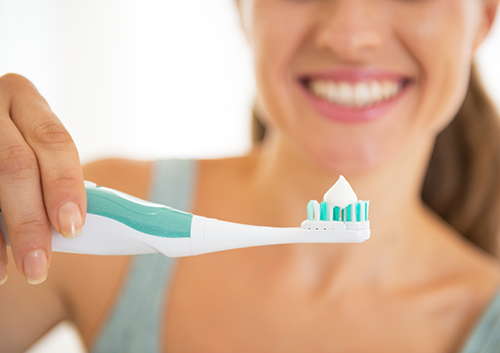
If you’re happy with your manual toothbrush, read no further. But if you’re looking for more options than “firm,” “medium,” or “soft,” there’s a world of electric toothbrush innovations out there waiting to make your brushing routine not only more efficient, but interactive as well! What does innovative toothbrush technology offer?

A Menu of Brushing Options

Some brushes now offer several different modes to choose from, depending on how you want to use your electric toothbrush. There are options for sensitive teeth, polishing, deep cleaning, massage, or gum care along with the regular cleaning setting. Whether you want whitening action or a gentle massage for teeth and gums, there’s a brush out there for you.

Pressure Sensors

Electric toothbrushes are a great way to avoid brushing too vigorously. Even with soft bristles (which should be your go-to choice), a manual toothbrush can irritate sensitive gum tissue if it is applied with too much pressure. And over time, harsh brushing can lead to enamel damage. An electric toothbrush, on the other hand, provides consistent, gentle brushing with normal use. If you still have a tendency to be a bit heavy-handed, a helpful pressure sensor can provide a warning light or actually reduce the brush’s motor speed to get you back on track.

Smart Toothbrushes

There’s an app for it! Many electric models offer wireless connectivity to an app that monitors your brushing habits. You can track your brushing time, get a reminder when your brush head needs changing, even view a map of the areas you’re cleaning effectively—and the ones you’re missing. Check out individual models to see just what you can learn from your smart brush.

USB Charging

No need to search for outlet space or amass a collection of travel adapters any longer. USB charging cases makes your electric toothbrush convenient and portable.

And more innovations are in the works—fully biodegradable toothbrush heads, toothbrushes powered only by water or kinetic energy, and an app that offers games while you brush. For toothbrush traditionalists, a manual toothbrush will still do a great job. But if you are looking for the latest in toothbrush technology, explore what the newest electric brushes can do for you. Ask Drs Julie Bailey, Jacob Woods, Marci, Glenn, and Brian Beck during your next appointment to our Tallahassee, FL office. The end goal of toothbrush innovation, after all, is healthy teeth and gums. Make your next selfie something to smile about!


Adult Mouthguards

April 26th, 2023

You make sure your daughter wears her mouthguard to every soccer practice. Your son doesn’t step on the basketball court without his. Why not protect your smile as well?

Athletes of all ages in team or recreational sports can help prevent dental injuries with a protective mouthguard. If you bike or ski, play racquetball or squash, skate, or sky dive, a mouthguard will help keep your teeth and gums healthy as you keep fit.

Mouthguard Options

Our office will be happy to talk to you about whether a mouthguard is a practical addition to your workout gear. There are many options available to you, including:

Stock: Preformed appliances available at sporting goods stores and drugstores. These are the most affordable, but are a one-size-fits-all option and may not be a comfortable fit for you.

Boil-and-Bite: Also available at sports shops and drugstores. This guard is formed by placing it in hot water and then biting down to allow it to conform to the shape of your mouth.

Custom: Our Tallahassee, FL office can create a personalized mouthguard just for you. Individual mouthguards are the most durable and comfortable option, in general, and provide the best fit for ease of talking and breathing while exercising. You may also have special dental conditions, such as the placement of crowns or braces, which could be a factor in your decision.

Whichever option you choose, remember to wear your mouthguard regularly while exercising. A proper mouthguard cannot only help prevent injuries to your teeth, but to your face and jaw as well. A healthy smile and a healthy body are a winning combination. The next time you visit Drs Julie Bailey, Jacob Woods, Marci, Glenn, and Brian Beck, let’s talk sports!

Best Ways to Prevent Bad Breath

April 26th, 2023

Nobody likes bad breath, and although it can sometimes be difficult to tell if you have it, it is always better to practice good oral health than risk having a smelly mouth. There are many ways to reduce or eliminate bad breath, some are definitely more effective and longer lasting than others. Check out ways to do so below.

Floss Regularly

As difficult as it can be to remember to floss regularly, when it comes to bad breath, flossing is one of the easiest and most cost effective ways to freshen your mouth. See, flossing reduces the plaque and bacteria found in areas of your mouth that a toothbrush simply can't reach, and in turn, it rids your mouth of the smell associated with that bacteria. While flossing may not eliminate bad breath on its own, if you do it along with other health oral hygiene habits like brushing, then you may just develop a fresher smelling mouth.

Use Mouthwash

Using some sort of mouthwash can really freshen up your breath, especially if you find it still smells after brushing and flossing. There is a wide variety of mouthwash products on the market, however, you can also create your own by simply using baking soda mixed with water.

Always Brush after You Sleep

Whether after taking a nap, or having a full night of sleep, you will want to brush your teeth in order to reduce bad breath. The truth is, bacteria accumulates in your mouth while you are sleeping (even during a short nap) and that is ultimately the source of bad breath. So next time you wake from a good slumber, give your mouth some brushing and you will find it makes a big difference in the freshness of your breath.

There are many ways to freshen your breath beyond just using gum or mints, the above mentioned are just a few for you to try. Test them out and you will likely find your bad breath problem is solved, or at least considerably reduced. Of course, you can always ask Drs Julie Bailey, Jacob Woods, Marci, Glenn, and Brian Beck at your next visit to our Tallahassee, FL office.

Practice Contact Information